

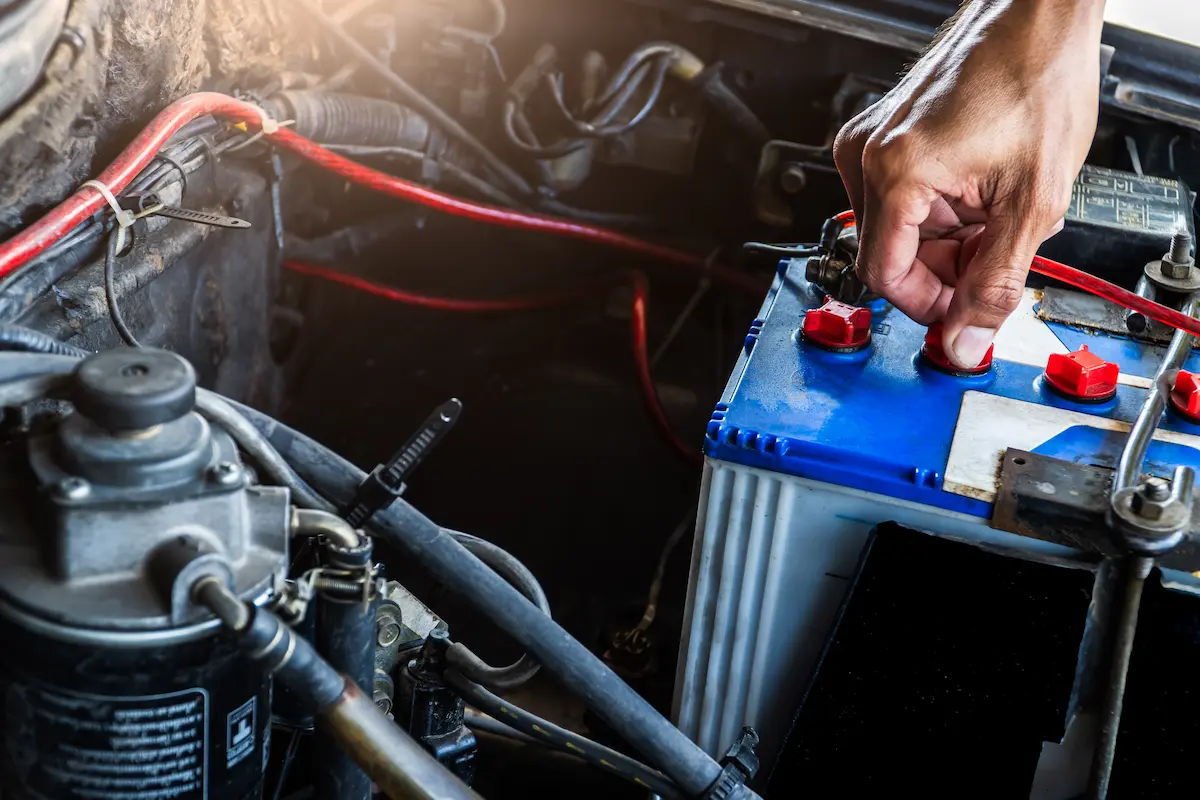
Regular vehicle maintenance is one of the most important steps you can take to ensure safety, reliability, and long-term performance. Skipping routine service can lead to costly repairs, reduced fuel efficiency, and even dangerous situations on the road. In this guide, we’ll explain how often key systems should be serviced, what to watch for, and how following a maintenance schedule can save money.
Regular maintenance keeps your vehicle operating safely and efficiently. Oil changes, tire rotations, brake inspections, and fluid checks all prevent wear and tear that could lead to major repairs. Well-maintained cars retain value longer and often perform better in terms of fuel economy and reliability.
Routine service also helps identify potential problems before they become serious issues. For example, a minor brake pad replacement now can prevent damage to rotors later, saving hundreds of dollars. Dealerships like Champion Dodge in Downey offer service schedules and reminders to help you stay on track.
Oil lubricates your engine and prevents overheating. Changing it regularly keeps the engine running smoothly and extends its lifespan. Most modern vehicles recommend oil changes every 5,000 to 7,500 miles, but this can vary based on driving conditions and oil type.
Always consult your vehicle’s owner manual and follow the manufacturer’s recommended intervals. For more guidance on maintaining your car’s overall condition, visit Champion Dodge’s maintenance resources.
Brakes and tires are critical for safety. Inspect them regularly:
Additionally, a professional alignment check every 12,000 miles or annually can prevent premature tire wear and improve handling. Properly maintained brakes and tires not only enhance safety but also maximize your vehicle’s lifespan.
Many other components require periodic attention:
Following these intervals can prevent small issues from becoming major repairs. Many dealerships, including Champion Dodge, offer full-service maintenance schedules tailored to each vehicle.
Absolutely. Preventative maintenance is often less expensive than repairs after a failure. For instance:
Keeping up with manufacturer-recommended service schedules also helps maintain vehicle warranties and resale value. Cars with documented service histories are more appealing to buyers and may sell for higher prices.
Understanding these myths ensures you won’t underestimate your vehicle’s needs.
Maintaining your car properly isn’t just about avoiding repair bills—it’s about safety, efficiency, and peace of mind. By keeping up with oil changes, brake inspections, tire rotations, and other manufacturer-recommended services, you protect your investment and enjoy a smoother, safer driving experience. For professional maintenance, scheduling service at Champion Dodge in Downey ensures your vehicle stays in top condition.
While great effort is made to ensure the accuracy of the information on this site, errors can occur. Please verify all pricing and installed equipment information with a customer service representative. This is easily done by calling us or visiting us at the dealership.
Customer may not qualify for ALL Rebates shown. Some rebates are stackable and others can and cannot be combined. See Dealer For Complete Details.
We improve our products and advertising by using Microsoft Clarity to see how you use our website. By using our site, you agree that we and Microsoft can collect and use this data. Our privacy statement has more details.

Save your favorite vehicles for later viewing on your desktop or mobile devices.
Keep track of all the vehicles you've viewed for a better car shopping experience.
Narrow your search by comparing your favorite vehicles.

